REACH SVHC Update Hits Ultrasonic Cleaner Chemicals
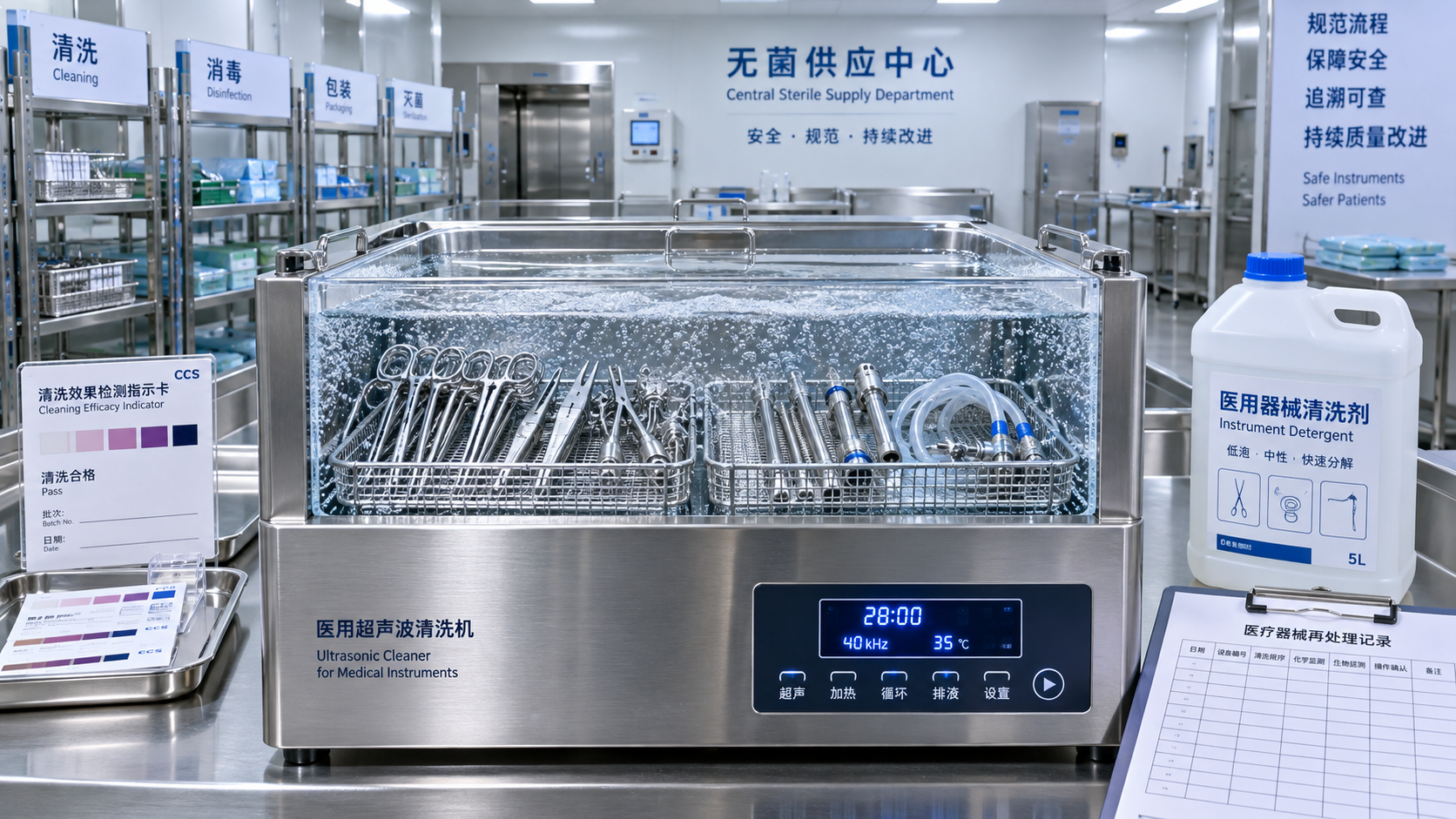
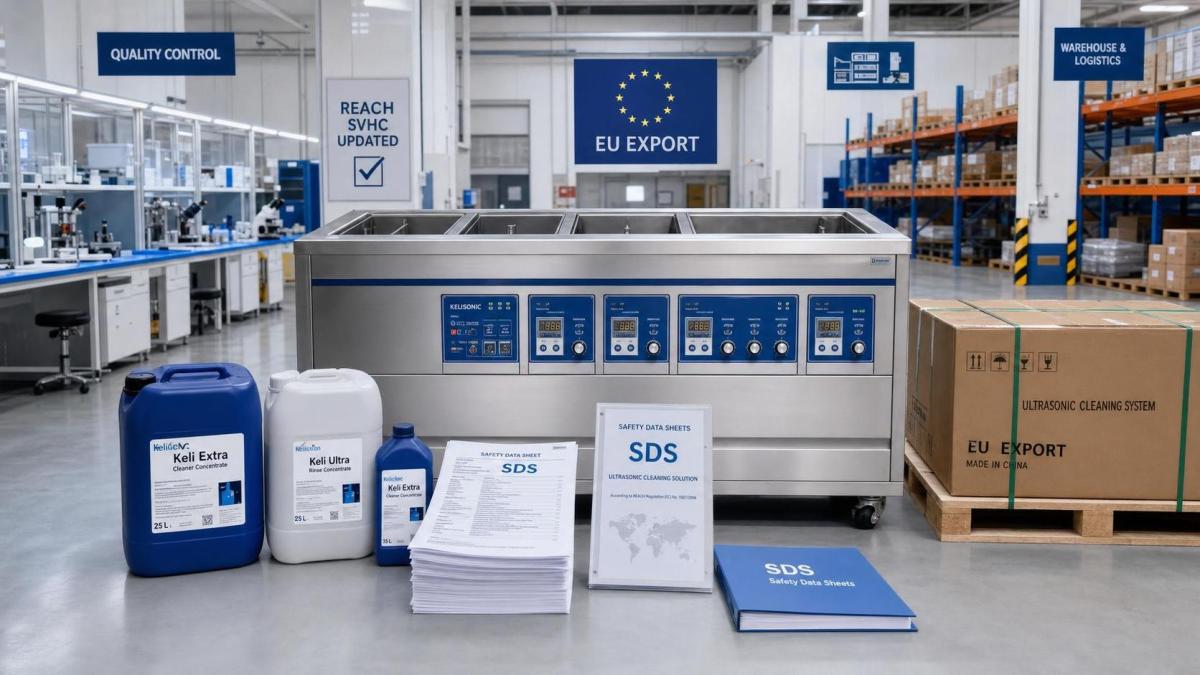
On June 28, 2026, the latest REACH SVHC candidate list update moved from a regulatory development into a practical compliance issue for suppliers linked to ultrasonic cleaning systems. The inclusion of nonionic nonylphenol ethoxylate (NPEO) derivatives matters because these substances are used in cleaning agents supplied with Engine DPF Ultrasonic Cleaners and Multi-tank Ultrasonic Cleaners, and from January 2027, imported equipment or consumables containing at least 0.1% of the substance will face SCIP notification duties and updated SDS communication requirements. For exporters serving the EU market, the immediate point of attention is no longer only product performance, but also document readiness, downstream communication, and delivery alignment.
What the June 28 listing changes in confirmed terms
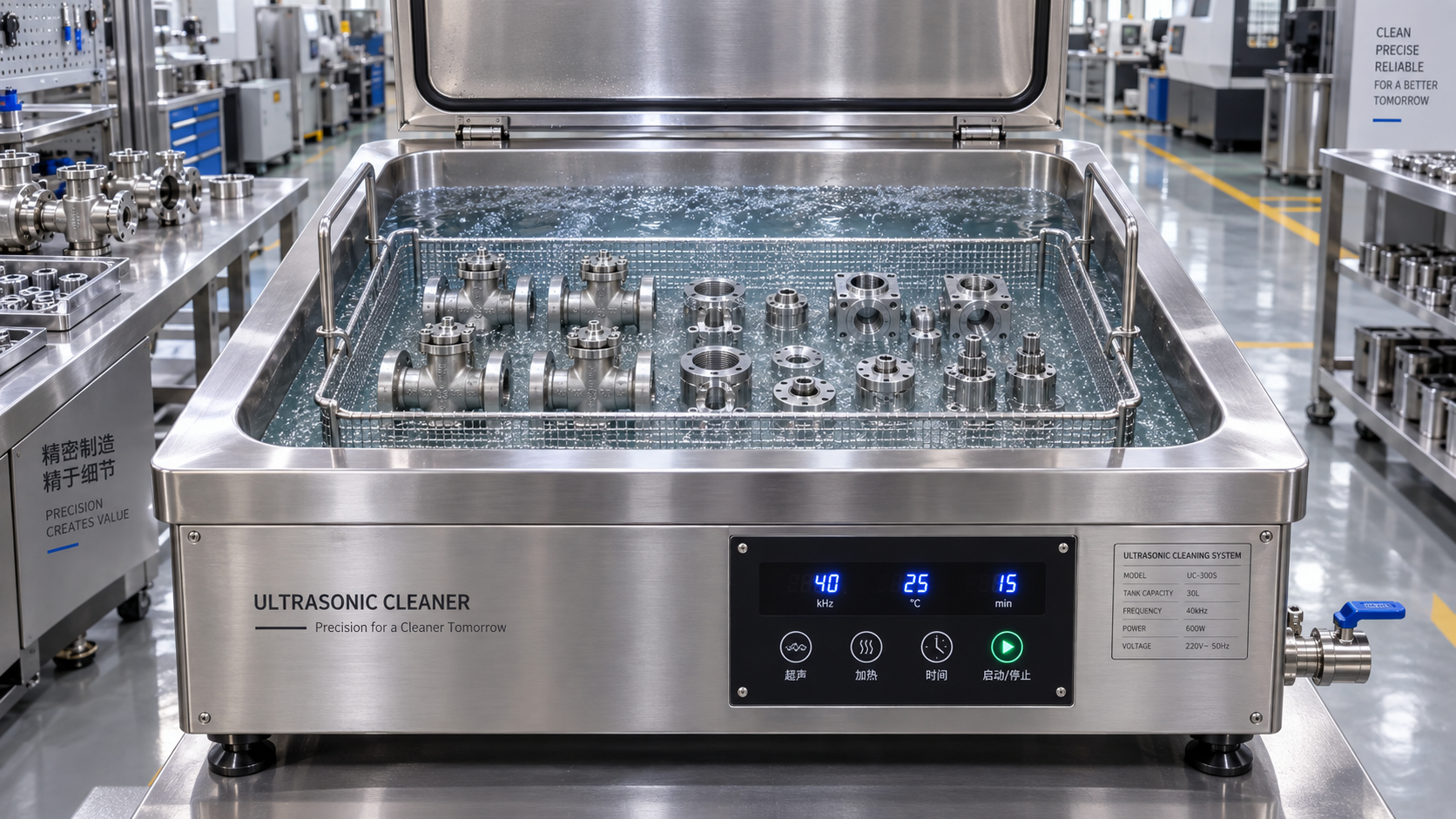
According to the provided event information, the European Chemicals Agency (ECHA) formally added nonionic NPEO derivatives to the SVHC candidate list on June 28, 2026. The substance is described as being widely used in supporting cleaning agents for Engine DPF Ultrasonic Cleaners and Multi-tank Ultrasonic Cleaners.
The same information states that from January 2027, imported equipment or consumables containing this substance at a concentration of 0.1% or above must fulfill SCIP notification obligations. Updated versions of the safety data sheet (SDS) must also be provided to downstream users.
The event summary further confirms that this change directly affects the EU compliance delivery process and customer technical documentation support capabilities of Chinese ultrasonic cleaning equipment exporters.
Where the pressure is likely to appear first
Export deliveries tied to bundled chemicals
From an industry perspective, exporters of ultrasonic cleaning equipment may be affected when cleaning agents are supplied together with the machine, included as consumables, or otherwise form part of the imported delivery scope. The practical impact is likely to appear in shipment preparation, compliance review before dispatch, and customer-facing technical files. What deserves closer attention is whether the delivered package triggers SCIP-related handling and whether SDS updates are synchronized with commercial and logistics documents.
Procurement and formulation checks for supporting consumables
For companies sourcing cleaning chemicals used with Engine DPF Ultrasonic Cleaners and Multi-tank Ultrasonic Cleaners, the listing raises a direct procurement screening issue. Analysis shows that purchasing teams and formulation-related functions will need clearer visibility into whether NPEO derivatives remain present at or above the stated threshold. The business effect is less about a general market reaction and more about whether existing supplier declarations, product specifications, and accompanying compliance statements remain usable for EU-bound orders.
Downstream technical support and after-sales documentation
Distributors, service teams, and after-sales support providers may also see an operational impact because downstream users must receive updated SDS documentation where applicable. Observably, this shifts part of the workload into document control, version management, and customer communication. The issue is not only regulatory awareness, but whether technical support teams can provide consistent and current materials during installation, replenishment, maintenance, or repeat orders.
What companies should review now
Check which delivered items fall within the declared scope
Analysis shows that companies should first identify whether the relevant cleaning agents are supplied with equipment, shipped separately as consumables, or referenced in technical delivery packages for EU customers. This matters because the compliance trigger described in the event summary applies to imported equipment or consumables containing the substance at or above 0.1%.
Align SCIP and SDS preparation with delivery documents
What deserves closer attention is the consistency between SCIP-related obligations, updated SDS versions, and the documents already used in export transactions. Businesses involved in EU delivery should review whether product files, technical submissions, and customer handover materials can support the required update cycle from January 2027.
Recheck supplier declarations and internal document control
Observably, the event puts more weight on upstream communication. Companies relying on third-party chemical suppliers should review the availability and timing of substance information, declaration updates, and document revisions. Where documentation passes through multiple teams, internal control over the latest SDS and compliance statements becomes a practical risk point.
Track how customers and bid documents respond
It is more appropriate to understand this as a development that may also affect tender language, customer document requests, and acceptance conditions. Since the provided information does not include detailed enforcement interpretations, companies should treat this area as one for continued monitoring rather than assume a single settled market practice.
Why this looks like an execution signal, not just a list update
Analysis shows that the significance of this event lies in its direct connection to shipment compliance and downstream documentation, rather than in the list change alone. The combination of an SVHC candidate list inclusion, a stated concentration threshold, a January 2027 SCIP obligation, and SDS update requirements means the issue reaches beyond regulatory affairs teams and into sales support, procurement coordination, and export delivery control.
At the same time, Observably, this is still a rule development that requires continued attention to implementation details. The provided information confirms the direction of compliance obligations, but it does not settle every practical question about execution rhythm, customer documentation expectations, or how market participants will standardize responses across different product and consumable configurations.
How the market may need to read this development
The current development is best read as a concrete compliance change with near-term operational consequences for ultrasonic cleaning equipment supply into the EU, especially where supporting chemicals are part of the delivered offer. It should not be treated as a generic policy headline. At this stage, a rational interpretation is that companies need to prepare for documentation, declaration, and delivery-process adjustments, while continuing to watch how implementation language and customer requirements evolve in practice.
Basis of this article and what still needs verification
This article is generated based on the user-provided news title, event date, and event summary. For developments of this kind, commonly relevant source types may include official notices, releases from regulatory authorities, trade or customs authority information, industry association updates, standard-setting documents, and reporting by established professional media.
No specific official source link was provided in the input, so the exact official publication link still needs to be verified on an ongoing basis. Observably, the areas that warrant further follow-up include detailed implementation wording, compliance interpretation in certification or documentation practice, changes in tender and customer file requirements, industry feedback, and how companies execute these obligations in actual export and after-sales workflows.
Get weekly intelligence in your inbox.
No noise. No sponsored content. Pure intelligence.
 Sep 27, 2026How to Size a Single-Tank Ultrasonic Cleaner for Parts, Load Weight, and ThroughputHow to Size a Single-Tank Ultrasonic Cleaner for Parts, Load Weight, and Throughput
 Sep 26, 2026How to Size Cleaning Pumps for Shipyard Bilge, Hull, and Dock Washdown DutiesHow to Size Cleaning Pumps for Shipyard Bilge, Hull, and Dock Washdown Duties
 Sep 25, 2026How Facility Buyers Can Evaluate Commercial Cleaning Industry SuppliersHow Facility Buyers Can Evaluate Commercial Cleaning Industry Suppliers
 Sep 24, 2026How to Select Medical Instrument Cleaning Equipment for Complex Surgical DevicesHow to Select Medical Instrument Cleaning Equipment for Complex Surgical Devices
 Sep 23, 2026How to Evaluate a Municipal Sanitation Equipment Factory for Fleet ReliabilityHow to Evaluate a Municipal Sanitation Equipment Factory for Fleet Reliability
 Sep 22, 2026Selecting 500 Bar Waterjet Pump Systems for Concrete Hydro-Demolition ProjectsSelecting 500 Bar Waterjet Pump Systems for Concrete Hydro-Demolition Projects
 Sep 21, 2026Warehouse Route Optimization: Reducing Travel Time in High-Volume PickingWarehouse Route Optimization: Reducing Travel Time in High-Volume Picking
 Sep 20, 2026Selecting High-Capacity Industrial Washer-Extractors for Multi-Shift Laundry OperationsSelecting High-Capacity Industrial Washer-Extractors for Multi-Shift Laundry Operations
 Sep 19, 2026How to Size a Hotel Laundry System for Peak Occupancy and Linen TurnoverHow to Size a Hotel Laundry System for Peak Occupancy and Linen Turnover
 Sep 18, 2026How Fluid Dynamics Efficiency Shapes Cavitation Performance in Ultrasonic CleaningHow Fluid Dynamics Efficiency Shapes Cavitation Performance in Ultrasonic Cleaning
 Sep 18, 2026Industrial Cleaning System Design: Matching Water, Pressure, and Waste StreamsIndustrial Cleaning System Design: Matching Water, Pressure, and Waste Streams
 Sep 18, 2026What to Audit Before Partnering With an Industrial Cleaning System FactoryWhat to Audit Before Partnering With an Industrial Cleaning System Factory
 Sep 18, 2026Choosing an Industrial Hygiene Equipment Supplier: Service, Parts, and ComplianceChoosing an Industrial Hygiene Equipment Supplier: Service, Parts, and Compliance
 Sep 18, 2026How to Evaluate Industrial Hygiene Machinery Manufacturers Beyond PriceHow to Evaluate Industrial Hygiene Machinery Manufacturers Beyond Price
 Sep 18, 2026Equipment Washing Stations: Key Design Features for Safer Shift ChangeoversEquipment Washing Stations: Key Design Features for Safer Shift Changeovers
 Sep 18, 2026Chemical-Free Disinfection Systems: Where Steam and UV Methods Work BestChemical-Free Disinfection Systems: Where Steam and UV Methods Work Best
 Sep 18, 2026How Hospitals Select Contamination Control Systems for High-Risk Clinical AreasHow Hospitals Select Contamination Control Systems for High-Risk Clinical Areas
 Sep 18, 2026CCSS Explained: How Contamination Control Systems Protect Critical Clean EnvironmentsCCSS Explained: How Contamination Control Systems Protect Critical Clean Environments
 Sep 18, 2026How Often Should Ultrasonic Cleaners Be Validated for Medical Reprocessing?How Often Should Ultrasonic Cleaners Be Validated for Medical Reprocessing?
 Sep 18, 2026When Is Hydrodemolition Safer Than Mechanical Concrete Removal?When Is Hydrodemolition Safer Than Mechanical Concrete Removal?
 Sep 18, 2026Which Waterjet Nozzle Is Best for Removing Sewer Blockages?Which Waterjet Nozzle Is Best for Removing Sewer Blockages?
 Sep 18, 2026How Do Industrial Pressure Washers Compare With Chemical Cleaning?How Do Industrial Pressure Washers Compare With Chemical Cleaning?
 Sep 18, 2026Are Hot Water Pressure Washers Necessary for Oil and Grease Removal?Are Hot Water Pressure Washers Necessary for Oil and Grease Removal?
 Sep 18, 2026What Should Municipalities Check Before Buying a Vacuum Truck?What Should Municipalities Check Before Buying a Vacuum Truck?
 Sep 18, 2026How Do Autonomous Floor Cleaners Compare With Manual Labor Costs?How Do Autonomous Floor Cleaners Compare With Manual Labor Costs?
 Sep 18, 2026Are Robotic Floor Sweepers Worth Buying for Large Public Facilities?Are Robotic Floor Sweepers Worth Buying for Large Public Facilities?
 Sep 18, 2026What Happens When an Autonomous Floor Scrubber Cannot Find Its Dock?What Happens When an Autonomous Floor Scrubber Cannot Find Its Dock?